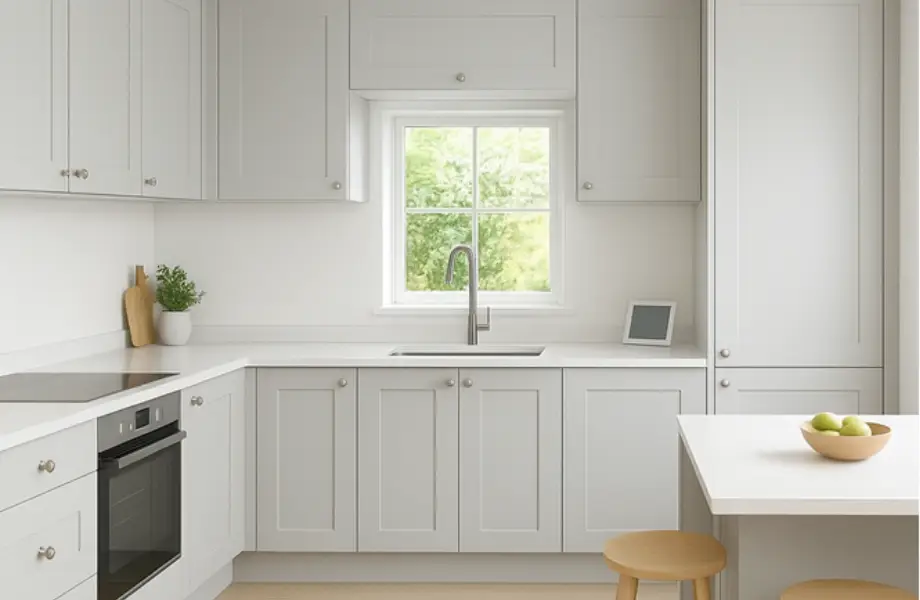
A fitted kitchen can transform your home, adding value, functionality, and style. However, the process of purchasing and installing a new kitchen can be fraught with challenges if you’re not adequately prepared. To help you navigate this major investment, we’ve compiled a guide to the common pitfalls, the pros and cons, and tips to ensure your kitchen project is a success.
The Pros of a New Fitted Kitchen
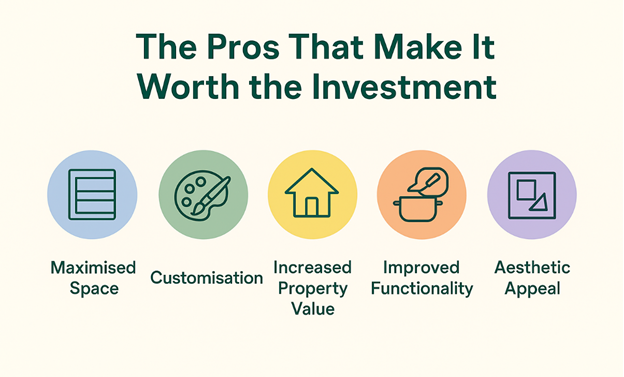
Before diving into potential pitfalls, let’s take a moment to appreciate the benefits of a fitted kitchen:
Maximised Space: A fitted kitchen is designed to make the most of your available space, ensuring every inch is utilised efficiently.
Customisation: You can tailor your kitchen to suit your personal style, preferences, and needs, from choosing cabinet finishes to selecting appliances.
Increased Property Value: A modern, functional kitchen is a significant selling point for potential buyers and can boost your home’s market value.
Improved Functionality: A well-designed fitted kitchen can make cooking and entertaining easier and more enjoyable.
Aesthetic Appeal: A new fitted kitchen provides a fresh, cohesive look that can rejuvenate your home.
Common Pitfalls When Buying a Fitted Kitchen
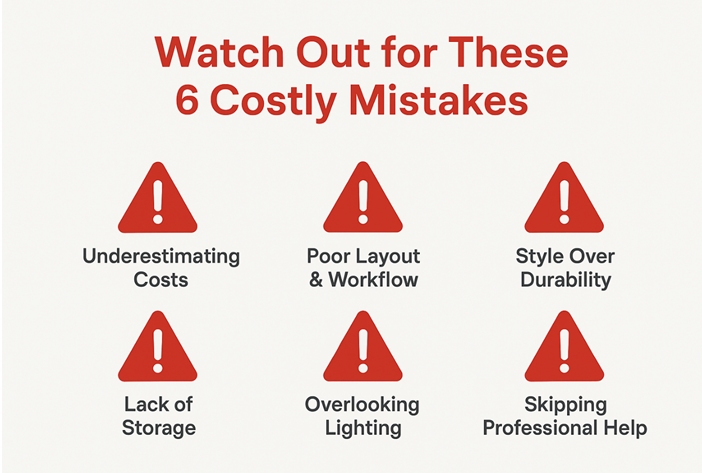
While the benefits are clear, the process of buying and installing a fitted kitchen can be challenging. Here are some common pitfalls to watch out for:
1. Underestimating Costs: One of the biggest mistakes homeowners make is underestimating the total cost of a fitted kitchen. Beyond the price of cabinets and appliances, you need to factor in installation, plumbing, electrical work, flooring, and potential unexpected expenses.
Tip: Always request a detailed quote from your supplier and factor in a contingency budget of at least 10-15% for unexpected costs.
2. Failing to Plan Layout and Workflow: A common error is prioritising aesthetics over functionality. A beautiful kitchen won’t be enjoyable if the layout doesn’t support an efficient workflow. For example, placing the fridge too far from the cooking area or neglecting counter space can make meal preparation cumbersome.
Tip: Consider the “kitchen work triangle” – the relationship between the sink, cooker/hob , and refrigerator – to ensure a practical design.
3. Choosing Style Over Durability: It’s tempting to pick trendy designs and materials, but some may not stand the test of time. For instance, glossy finishes may look sleek but can be prone to scratches and fingerprints.
Tip: Opt for durable materials that can withstand daily wear and tear, especially if you have children or pets.
4. Ignoring Storage Needs: A lack of storage space can quickly turn your dream kitchen into a cluttered nightmare. It’s essential to consider your storage needs and incorporate enough cabinets, drawers, and pantry space.
Tip: Look for smart storage solutions like pull-out cabinets, corner units, and vertical shelving to maximise space.
5. Overlooking Lighting: Lighting is often an afterthought, but it plays a crucial role in the functionality and ambience of your kitchen. Poor lighting can make cooking difficult and impact the overall look of the space.
Tip: Combine task lighting (e.g., under-cabinet lights) with ambient lighting (e.g., pendant lights) to create a balanced and inviting atmosphere.
6. Skipping Professional Help: DIY kitchen installations can save money upfront, but mistakes can lead to costly repairs down the line. Improperly installed cabinets, plumbing, or electrical fixtures can cause serious issues.
Tip: Hire experienced professionals for installation, plumbing, and electrical work to ensure everything is done safely and correctly.
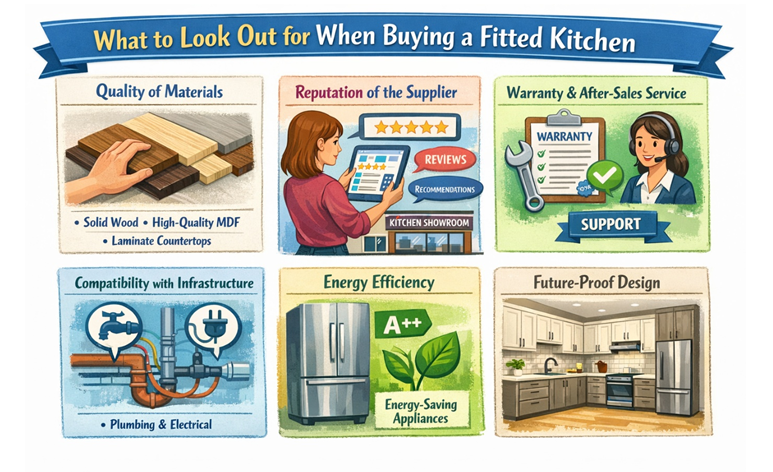
What to Look Out for When Buying a Fitted Kitchen
To avoid these pitfalls, keep an eye on the following:
1. Quality of Materials: Inspect the quality of materials used for cabinets, countertops, and fittings. Solid wood or high-quality MDF are durable choices, while laminate countertops can be cost-effective yet stylish.
2. Reputation of the Supplier: Research kitchen suppliers thoroughly. Check online reviews, ask for recommendations, and visit showrooms to assess the quality of their products. Check if the suppliers use sub-contract installers or installers on their payroll.
3. Warranty and After-Sales Service: Ensure the supplier offers a comprehensive warranty and reliable after-sales service for their products and installation. Suppliers are at the mercy of the sub-contract installer for remedial works or forthcoming issues.
4. Compatibility with Existing Infrastructure: Verify that the new kitchen design works with your existing plumbing, electrical wiring, and structural layout. This can save you significant time and money on modifications.
5. Energy Efficiency: Choose energy-efficient appliances to reduce your long-term utility bills and minimise your environmental impact.
6. Future-Proof Design: Choose timeless designs and neutral colours that won’t feel dated in a few years. This is particularly important if you plan to sell your home in the future.

Conclusion
Buying a fitted kitchen is an exciting yet complex process that requires careful planning and consideration. By understanding the potential pitfalls, weighing the pros and cons, and following the tips outlined above, you can ensure your kitchen becomes the heart of your home for years to come. Remember, a successful kitchen project is as much about practicality and durability as it is about style. Happy kitchen shopping!